Evaluating Abstract Canvas 16 Digital Paper for Professional Print-on-Demand and Design Projects
In the rapidly evolving landscape of digital design and print-on-demand (POD) businesses, the quality of your source assets is often the deciding factor between a mediocre product and a professional-grade offering. For creators, entrepreneurs, and graphic designers, finding versatile, high-resolution textures that seamlessly integrate into various applications is a constant challenge. This is where Abstract Canvas 16 Digital Paper enters the conversation as a specialized resource designed to bridge the gap between artistic texture and commercial utility.
This article provides a comprehensive evaluation of Abstract Canvas 16 Digital Paper, analyzing its technical specifications, practical applications, and how it stacks up against other digital paper options in the market. Whether you are designing for apparel, home decor, or corporate branding, understanding the nuances of this asset will help you determine if it fits your specific workflow.
Understanding the Core Specifications
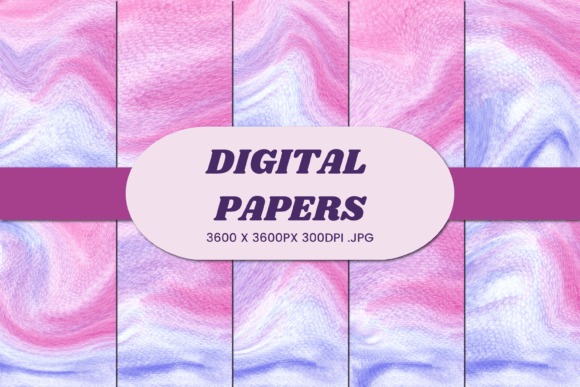
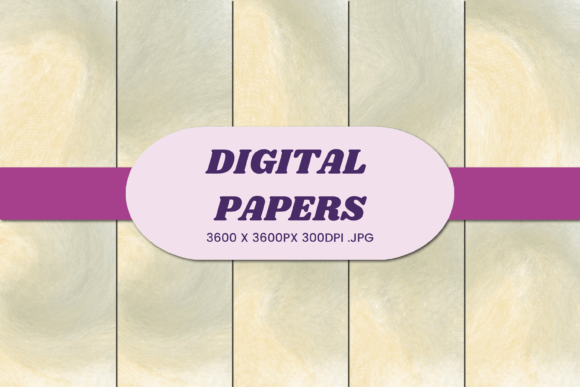
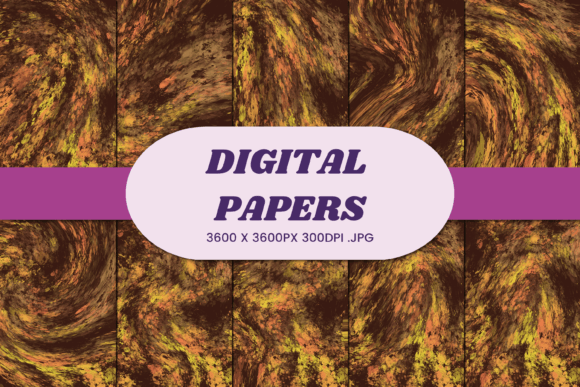
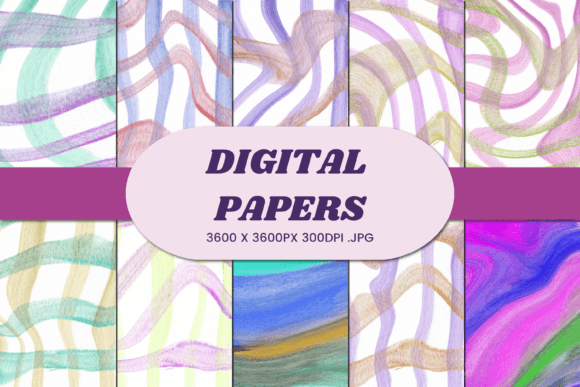
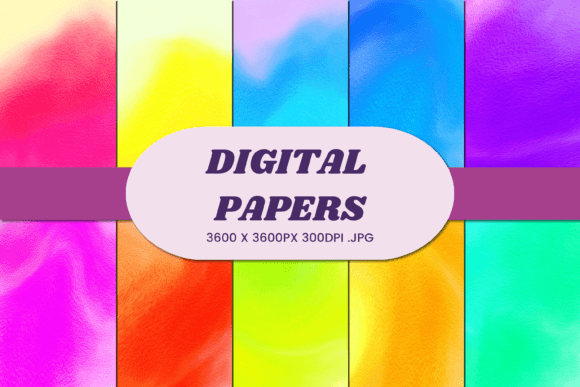
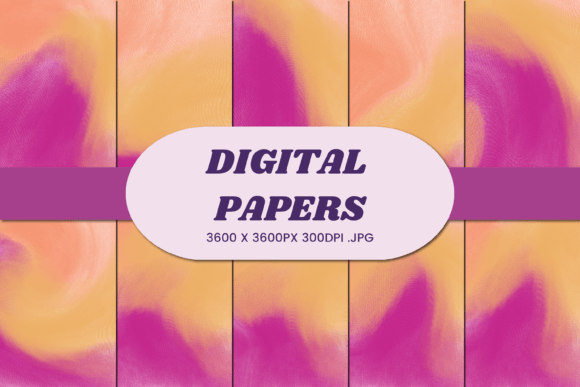
Before diving into use cases, it is essential to understand what makes Abstract Canvas 16 Digital Paper technically viable for professional work. The asset is not merely a low-resolution image; it is engineered for high-fidelity reproduction. The package includes 10 distinct JPG files, each sized at 3600×3600 pixels. In the world of digital printing, dimensions alone do not guarantee quality; resolution does. These files boast a 300 DPI (dots per inch) standard, which is the industry benchmark for crisp, clear prints.
The 12x12 inch dimension at 300 DPI ensures that when you scale these images down for business cards or up for large-format posters, the pixel density remains sufficient to prevent blurriness or pixelation. This technical foundation is critical for anyone relying on sublimation or direct-to-garment printing, where clarity at small scales is paramount.
Versatility Across Multiple Product Categories
One of the primary value propositions of Abstract Canvas 16 Digital Paper is its cross-category applicability. Unlike specialized textures that might look great on a website background but fail when printed on fabric, this digital paper is curated for physical output. Its abstract nature allows it to serve as a neutral yet sophisticated backdrop for a wide array of products.
Apparel and Textile Applications
For POD sellers focusing on T-shirts, pillows, and blankets, the canvas texture adds depth that flat colors lack. When used in sublimation processes, the 300 DPI resolution ensures that the intricate details of the abstract pattern transfer smoothly onto polyester blends. Similarly, for those creating custom phone cases or mugs, the texture provides a tactile visual appeal that mimics real-world materials, enhancing the perceived value of the product.
Packaging and Corporate Identity
Beyond consumer goods, Abstract Canvas 16 Digital Paper serves as an excellent tool for brand identity. It can be utilized for:
- Product Packaging: Adding a premium feel to boxes and wrappers without overwhelming the logo or product photography.
- Business Cards: Providing a subtle, textured background that distinguishes a card from standard white stock.
- Social Media Graphics: Acting as a consistent visual theme for Instagram posts or Pinterest pins, ensuring brand cohesion.
- Invitations and Wedding Cards: The elegant abstraction lends itself well to formal events, offering a modern twist on traditional stationery.
Digital and Craft Uses
The asset is also highly relevant for digital creators. Scrapbookers can use the JPGs as layered elements in digital planning apps. Furthermore, the file format supports 3D sublimation tumbler wraps, allowing designers to map the texture accurately around cylindrical surfaces. This versatility reduces the need to purchase multiple disparate assets, streamlining the creative process.
Comparative Analysis: How Does It Stack Up?
When evaluating Abstract Canvas 16 Digital Paper, it is helpful to compare it with general alternatives available in the digital asset market. Most competitors offer either vector-based patterns or raster-based textures, each with distinct tradeoffs.
Raster vs. Vector Considerations
Many "digital papers" on the market are vectors (SVG/EPS). While vectors offer infinite scalability, they often lack the organic, nuanced grain that a photograph or high-res raster image provides. Abstract Canvas 16 Digital Paper, being a high-resolution JPG, captures the subtle imperfections and gradients of a true canvas texture. For projects requiring a realistic material feel—such as a blanket or a book cover—a raster texture often outperforms a clean vector pattern, which can sometimes appear too artificial or flat.
Resolution and Print Readiness
A common pitfall for beginners is purchasing digital papers that are only optimized for web use (72 DPI). If you attempt to print a 72 DPI image at 12x12 inches, the result will be blurry. Abstract Canvas 16 Digital Paper addresses this by providing 300 DPI files right out of the box. Compared to generic free resources that require extensive upscaling (which degrades quality), this asset offers immediate print-readiness. However, users must still ensure their own design software is set to the correct color profile (CMYK for print, RGB for screen) to maintain color accuracy.
Cost vs. Quantity
The package includes 10 files. For a single project, this might seem limited compared to bulk bundles offering hundreds of designs. However, quantity does not always correlate with quality. Many bulk sellers provide repetitive or low-effort designs. Abstract Canvas 16 Digital Paper focuses on a curated selection of high-impact textures. For a designer who values uniqueness and cohesion over volume, this targeted approach can be more efficient than sifting through hundreds of mediocre options.
Decision Factors: When to Choose Abstract Canvas 16
Deciding whether to incorporate this asset into your workflow depends on several factors. Here is a breakdown of scenarios where it shines versus situations where you might look elsewhere.
Ideal Use Cases
- Sublimation Specialists: If you produce tumblers, mugs, or all-over-print shirts, the 300 DPI and abstract nature make this a strong candidate for wrapping complex shapes.
- Branding Agencies: For clients needing a modern, minimalist aesthetic for stationery or packaging, the clean abstraction provides sophistication without distraction.
- Digital Planners and Scrapbookers: Users looking for realistic paper textures to layer in Procreate or Photoshop will find the resolution adequate for high-quality exports.
LIMITATIONS AND ALTERNATIVES
While versatile, Abstract Canvas 16 Digital Paper may not be the best fit for every scenario:
- Need for Editable Vectors: If your workflow requires manipulating individual shapes within the texture, a JPG is not suitable. You would need a vector-based alternative.
- Highly Specific Thematic Needs: If your project requires a specific motif (e.g., floral, geometric, nautical), an abstract canvas might be too neutral. In such cases, thematic digital papers would be more appropriate.
- Bulk Volume Projects: If you are launching a massive store with thousands of SKUs and need variety across dozens of categories, a smaller bundle of 10 images may run out quickly. In this case, a larger library or subscription service might offer better long-term value.
Practical Tips for Implementation
To get the most out of Abstract Canvas 16 Digital Paper, consider the following practical advice:
Color Management: Always convert your final design to CMYK before sending it to a printer. Screens display RGB light, while printers use CMYK ink. Without conversion, colors may appear duller in print. The 300 DPI resolution helps, but color profiling is equally important.
Layering Techniques: Do not use the texture as a solid block. Experiment with opacity layers, blending modes (like Overlay or Soft Light), and masking. This integrates the texture with your logo or text, making the design look bespoke rather than like a sticker slapped on top.
Mockup Integration: When showcasing your products, use high-quality mockups that match the lighting and texture of the digital paper. A mismatch between the smoothness of the digital file and the roughness of a poorly chosen mockup can break the illusion of realism.
Final Thoughts on Value and Suitability
Abstract Canvas 16 Digital Paper represents a focused, high-quality entry in the digital asset space. It is not a catch-all solution for every design problem, nor is it intended to replace specialized thematic textures. Instead, it serves as a reliable, professional-grade foundation for abstract, modern, and minimalist designs.
For professionals aged 20–50 who are serious about their craft—whether selling on Etsy, managing a boutique brand, or designing for corporate clients—the investment in a 300 DPI, print-ready asset pays off in reduced revision time and higher customer satisfaction. By avoiding the pitfalls of low-resolution graphics and generic patterns, this digital paper allows creators to focus on composition and branding rather than technical troubleshooting.
Ultimately, the choice to use Abstract Canvas 16 Digital Paper should be driven by your specific project needs. If you require a versatile, high-clarity texture for apparel, packaging, or digital media, it stands out as a competent and efficient tool. However, if your projects demand vector flexibility or highly specific themes, you may need to supplement it with other resources. By understanding these distinctions, you can build a more robust and effective design toolkit.