Elevate Your Designs: A Comprehensive Guide to Using High-Quality Fashion Illustration Clip Art
In the rapidly evolving world of digital design, visual appeal is often the first point of contact between a brand and its audience. Whether you are a small business owner creating custom merchandise, a blogger looking to spice up your content, or a hobbyist crafting personalized gifts, the quality of your imagery can make or break your project. This is where beautiful girl clip art and fashion illustration assets come into play. These high-quality digital resources offer a versatile solution for creators seeking to add elegance, style, and professionalism to their work without the need for expensive photography shoots or complex drawing skills.
However, not all digital assets are created equal. Understanding the technical specifications, practical applications, and best practices for using these files is crucial for achieving professional results. This article explores everything you need to know about leveraging high-resolution PNG fashion illustrations to enhance your creative endeavors.
Why PNG Format is the Gold Standard for Digital Assets
When sourcing clip art for commercial or personal use, the file format is just as important as the artwork itself. The most common and recommended format for this type of asset is PNG (Portable Network Graphics). But why is PNG preferred over JPEG or other formats? The answer lies in transparency and clarity.
Unlike JPEG files, which typically have a solid white background that can be difficult to remove cleanly, PNG files support transparent backgrounds. This means that when you place a fashion illustration onto a colored background, a photo, or a patterned surface, there is no unsightly white box surrounding the image. The illustration blends seamlessly with your design, allowing for greater creative freedom and a more polished final product.
Furthermore, PNGs utilize RGB color profiles, which are optimized for screen display and digital printing. While RGB is primarily used for web graphics, modern printers handle RGB files well, especially when high-quality settings are used. This ensures that the vibrant colors of the fashion illustration remain true to the artist’s vision.
Understanding Resolution and Print Quality
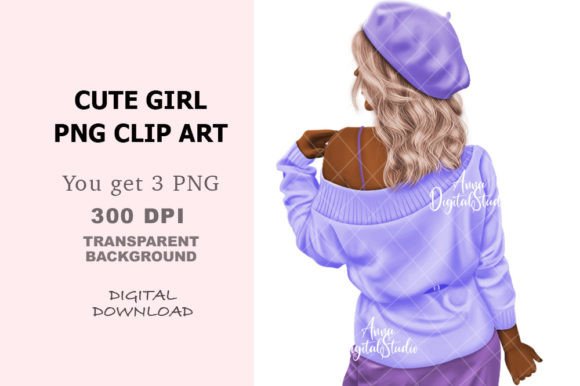
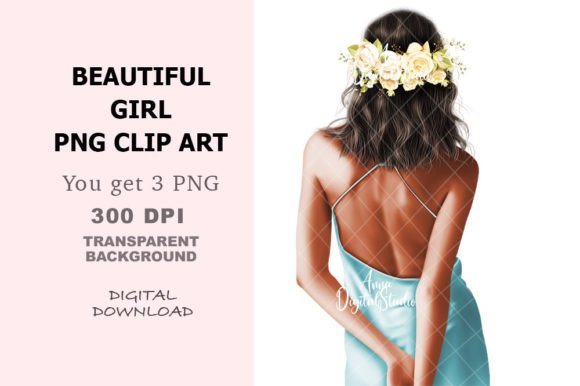
One of the most critical factors in determining the usability of a digital asset is its resolution. For print-on-demand products, physical stationery, or large-format displays, low-resolution images will appear pixelated, blurry, or jagged. To avoid this, it is essential to choose assets that are high-resolution at 300 DPI (dots per inch).
A standard high-quality set might include dimensions such as 11 x 14 inches at 300 DPI. This size provides ample detail and clarity, ensuring that even when scaled down for business cards or zoomed in on a phone case, the lines remain crisp and the shading remains smooth. When evaluating clip art, always check the DPI and pixel dimensions before purchasing to ensure they meet your specific project requirements.
Practical Applications: Where Can You Use Fashion Clip Art?
The versatility of beautiful girl clip art extends far beyond simple digital scrapbooking. Because these designs are unique and high-quality, they serve as valuable additions to a wide array of digital and physical assets. Here are some of the most popular ways creators are utilizing these files:
- Apparel and Accessories: Designers frequently use fashion illustrations to create t-shirts, tote bags, hoodies, and scarves. The elegant nature of fashion art pairs beautifully with minimalist clothing designs.
- Tech Accessories: Phone cases, tablet covers, and laptop skins are booming markets. High-res PNGs allow for full-bleed designs that wrap around devices without visible borders.
- Stationery and Paper Goods: From greeting cards and invitations to notepad covers and planner covers, fashion illustrations add a touch of luxury and personality to everyday paper items.
- Home Decor: Glass mugs, ceramic tiles, and framed prints can feature these artworks to bring a stylish aesthetic into home environments.
- Digital Marketing: Blog headers, social media graphics, and email newsletters benefit from the visual interest that unique clip art provides, helping brands stand out in crowded feeds.
Color Accuracy: Managing Expectations Between Screen and Print
While PNG files are designed with RGB colors for optimal digital viewing, one common challenge in the design world is the discrepancy between what you see on your monitor and what comes out of your printer. This phenomenon is known as the difference between RGB (Red, Green, Blue) and CMYK (Cyan, Magenta, Yellow, Key/Black) color spaces.
Monitors emit light to create colors, resulting in brighter, more saturated hues. Printers use ink to reflect light, which naturally produces slightly muted tones. Therefore, colors on your screen may differ from the final printed product. This is not a defect but a characteristic of the medium.
Best Practice Recommendation: To mitigate unexpected color shifts, we strongly recommend conducting a printing test beforehand. Print a small sample on the same material and with the same printer settings you plan to use for the final project. This allows you to adjust contrast, brightness, or color balance in your editing software before committing to a large batch of production.
The Value of Unique, Watermark-Free Digital Assets
In the age of stock photography, many designers rely on generic images that thousands of others also use. However, using unique and high-quality PNG files offers a distinct competitive advantage. When you purchase a digital asset, you are acquiring a license to use that specific design, ensuring that your brand identity remains distinct.
Additionally, reputable sellers provide files that are free of watermarks. Watermarks are intrusive overlays used to protect intellectual property during the preview stage. For professional use, these must be removed. By purchasing directly from the creator, you receive clean, ready-to-use files that save you time and effort in post-processing.
Important Considerations for Digital Purchases
Because these products are delivered digitally, it is important to understand the nature of the transaction. All sales are digital only, meaning there is no physical item shipped to your door. Instead, you will receive a download link via email immediately after purchase. This allows for instant access and immediate start to your projects.
Before downloading, ensure you have the necessary software to open and edit PNG files. Programs like Adobe Photoshop, Illustrator, Canva, Procreate, or even free alternatives like GIMP or Paint.NET are suitable for working with transparent background images.
Conclusion: Investing in Quality for Better Results
Whether you are designing a boutique clothing line, creating heartfelt invitations, or updating your blog’s visual identity, the right clip art can transform your vision into reality. By choosing high-resolution, transparent PNG files featuring beautiful fashion illustrations, you invest in quality that resonates with your audience.
Remember to respect the technical aspects of design—checking DPI, understanding color profiles, and testing prints—to ensure your final product matches your expectations. If you have any questions about how to integrate these assets into your workflow, or if you need more information about licensing and usage rights, do not hesitate to contact the creator. With the right tools and knowledge, your creative projects are poised to shine.
Start exploring the possibilities today and turn your digital ideas into tangible, stunning realities.