Abstract Watercolor 16 Digital Paper: A Comprehensive Evaluation
In the realm of digital design and print-on-demand businesses, sourcing high-quality background textures is a fundamental requirement. The Abstract Watercolor 16 Digital Paper represents a specific asset designed to bridge the gap between artistic expression and commercial utility. This collection offers a versatile set of textures that cater to a wide array of creative applications, from physical merchandise to digital branding materials. For entrepreneurs and designers evaluating this product, understanding its technical specifications, potential use cases, and limitations is essential before making a purchase decision.
Understanding the Product Specifications
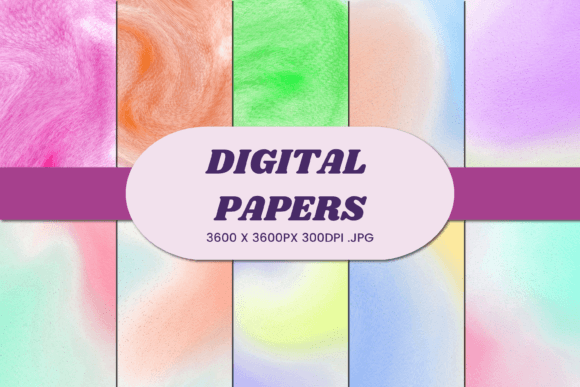
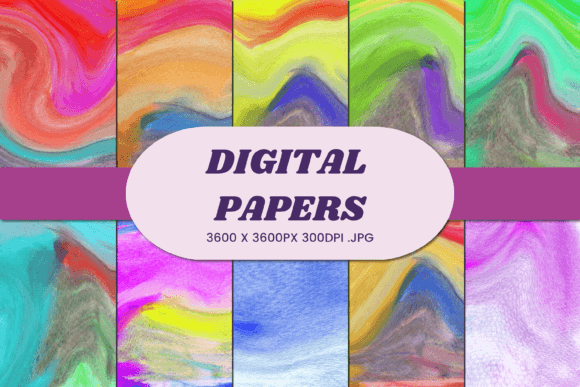
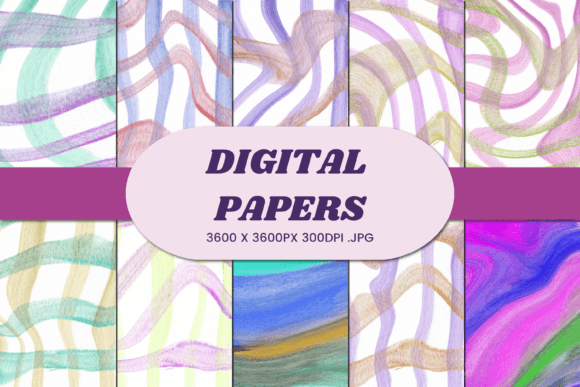
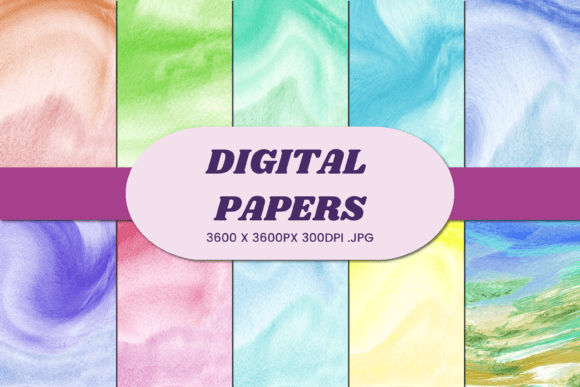
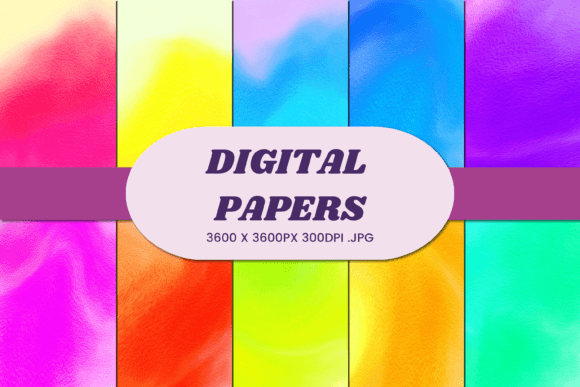
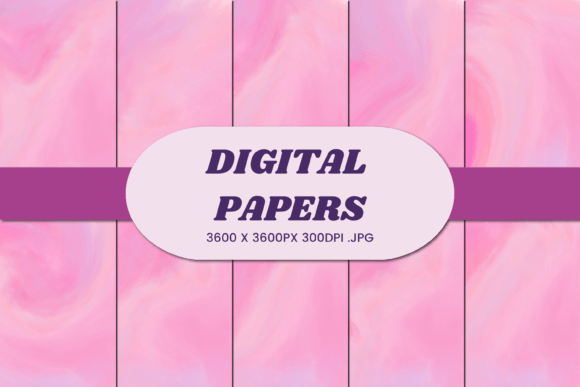
The core value of the Abstract Watercolor 16 Digital Paper lies in its technical delivery. The package includes 10 distinct JPG files, each rendered at a high resolution of 3600×3600 pixels. In terms of physical dimensions, these files correspond to a 12x12 inch size at 300 DPI (dots per inch). This resolution is critical for professional printing, as it ensures that images remain sharp and free from pixelation when scaled down or used on large-format items.
The aesthetic style is defined by abstract watercolor techniques. Unlike rigid geometric patterns or photorealistic imagery, watercolor textures offer organic flow, soft gradients, and subtle color bleeding. This creates a visual depth that is often difficult to replicate with vector graphics alone. The inclusion of 16 variations (often implying a broader series or specific colorways within the set) provides a range of moods, allowing users to select tones that match specific brand identities or project themes.
Versatility Across Commercial Applications
One of the primary reasons professionals evaluate this digital paper is its extensive list of compatible applications. The file format and resolution make it suitable for both sublimation and direct-to-garment printing workflows. When considering the production of physical goods, the texture serves as an excellent base layer.
- Apparel and Accessories: The high-resolution nature of the files makes them ideal for T-shirts, blankets, and pillows. The soft edges of the watercolor design blend well with fabric textures, avoiding the harsh lines that can sometimes look artificial on clothing.
- Drinkware and Home Decor: For creators utilizing 3D sublimation tumblers or mugs, the seamless nature of these backgrounds allows for smooth wrapping around curved surfaces. The 12x12 inch standard size is particularly useful for creating mug wraps and tumbler skins without excessive stretching or distortion.
- Stationery and Printables: The texture functions effectively as a background for business cards, invitations, book covers, and wedding cards. In these contexts, the abstract nature of the watercolor adds a touch of elegance without overwhelming text or logos.
- Digital Assets: Beyond physical products, the image quality supports social media graphics, website backgrounds, and phone case designs. It acts as a premium texture that elevates the perceived value of digital content.
Strategic Benefits for Business Owners
For small business owners and independent artists, the efficiency of using pre-made digital papers cannot be overstated. The Abstract Watercolor 16 Digital Paper eliminates the need to create unique textures from scratch, saving significant time in the design process. By purchasing a ready-made set, designers can focus on layout, typography, and product integration rather than spending hours painting backgrounds.
Furthermore, the consistency of the pack ensures brand uniformity. If a business plans to launch a line of products ranging from stickers to packaging, having a cohesive set of 10 high-quality files guarantees that all items share a similar aesthetic DNA. This cohesion is vital for building a recognizable brand identity in a crowded marketplace.
Tradeoffs and Practical Considerations
While the benefits are clear, a balanced evaluation requires acknowledging potential tradeoffs. The first consideration is the file format. The product is delivered as JPG files. While widely compatible, JPG is a lossy compression format. For users requiring absolute maximum editability, such as isolating specific elements of the watercolor splash, a PSD or PNG format might have been preferable. However, for background usage where transparency is not required, JPG is generally sufficient.
Another factor is the abstract nature of the design. Because the patterns are non-representational, they may not suit every brand. Businesses dealing with industrial products, technology, or highly structured corporate services might find the organic, fluid style too casual or artistic. In these scenarios, a more rigid or minimalist texture would likely align better with their market positioning.
Additionally, users must consider licensing rights. Before integrating these files into a product line, it is imperative to review the specific license agreement associated with the purchase. Some licenses allow for unlimited end-product sales, while others restrict the number of copies or prohibit resale of the digital file itself. Understanding these boundaries prevents legal complications later.
Situational Fit and Alternatives
This digital paper is a strong fit for creatives in the lifestyle, wellness, craft, and boutique fashion sectors. Brands that rely on emotional connection, storytelling, and a "handmade" feel will find the watercolor aesthetic particularly resonant. It is also an excellent choice for event planners designing invitations or scrapbookers looking for archival-quality backgrounds.
Conversely, alternatives may be worth considering if the user's needs differ. If the project requires a repeating seamless pattern for web backgrounds, a tileable vector pattern might perform better than a single large raster image. Similarly, if the goal is to create a logo where the background needs to be completely removed, a transparent PNG source would be more practical than a solid JPG.
Designers seeking highly specific color control might prefer working with raw watercolor brushes in software like Adobe Photoshop or Procreate. This approach offers granular control over hue and saturation but demands significantly more skill and time compared to selecting a pre-rendered digital paper.
Decision-Making Insights
To determine if the Abstract Watercolor 16 Digital Paper aligns with your goals, start by auditing your current workflow. Do you frequently need backgrounds for print-on-demand items? If yes, the 300 DPI resolution and 12x12 inch size provide the necessary foundation for professional output. Next, assess your brand voice. Does your audience respond to soft, artistic visuals, or do they prefer stark, modern minimalism?
Finally, calculate the return on investment. The cost of the digital pack should be weighed against the hours saved in design time. For most small businesses, the ability to instantly generate 10 high-quality backgrounds is a valuable asset that accelerates product development cycles. By carefully weighing the aesthetic compatibility and technical requirements against your specific project needs, you can make an informed decision that enhances your creative output without unnecessary expenditure.